
- Start with a small amount and add more as needed; silicone needs the least.
- Water-based washes out of sheets with ordinary laundry; silicone and oil need a pre-treatment.
- Lay a towel down and keep a cloth at hand to make clean-up easy.
- Wash toys with mild soap and water, and dry them well.
- Reapply rather than waiting until it feels dry.
Knowing how to use lube is simple, and a few small habits make it more comfortable and a lot less messy. Where you put it, how much you use and what you do afterwards all depend a little on the base. Most adults have done this: about 65.5% of US women and 70% of US men report having used a commercial lubricant.
This guide covers how to apply lube, how to reapply, what to do about stains and how to look after skin and toys afterwards.
How to use lube: how much, and where
There is no fixed rule for how much lube to use. A sensible approach is to start with about a coin-sized dollop of gel, or a pump or two of liquid, then add more. Silicone is slippery and lasts, so a small amount goes a long way. Water-based products often need a top-up.
- For solo play or toys: apply directly to the toy and the area of use.
- With a partner: warm a little between your hands, then apply to both partners if you like.
- With a condom: add lubricant to the outside, and a small drop inside the tip if you wish.
- For anal use: use more than you think you need, and consider a thicker or longer-lasting formula.
Reapplying and keeping things comfortable
If friction increases or it begins to feel tacky, it is time to add more. Water-based lubricants dry out first. Adding a little fresh lubricant on top can revive them, but do not layer silicone lubricant onto silicone toys. Silicone and hybrid formulas last longer and hold up in a shower or bath.
Warming products and flavors are fun for some but may irritate sensitive skin. See our sensitive skin guide if you are unsure.
If you are choosing your first bottle, our choosing guide will help, and the condom guide explains why oils and latex do not mix.
Making it part of the mood
Lubricant does not have to be a pause in the moment. Keep a bottle or pump within reach so you do not have to interrupt, and warm gels in your hands first. Many couples find that applying lube for each other is part of the fun, and talking about what feels good, how much and where, keeps everyone comfortable.
If you are using it for comfort because of dryness, build in extra time and consider a regular moisturizer as well. Our dryness guide explains how the two differ. If anything hurts, slow down, add more lubricant and stop if it does not ease.
How to get lube out of sheets
Clean-up depends on the base:
| Base | On skin | On sheets | Tip |
|---|---|---|---|
| Water-based | ✓ Rinses with water | ✓ Washes out in a normal cycle | Rinse with cool water first |
| Silicone | ~ Use soap | ~ Needs pre-treatment | Dab with dish soap, then wash warm |
| Hybrid | ✓ Easier than silicone | ~ Usually fine | Wash promptly |
| Oil / butter | ~ Use soap | ~ Can leave marks | Dish soap, then wash hot if fabric allows |
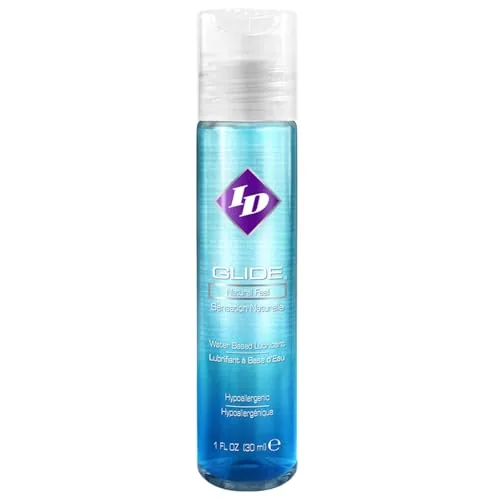
Makers often say their products do not stain, so lube stains are less of a worry. ID Glide is described as non-staining and easy to clean, and Sliquid H2O as non-staining. Still, a towel under you costs nothing.
Step by step for stubborn marks
- Blot, do not rub, to remove excess.
- Apply a few drops of liquid dish soap and gently work it in.
- Let it sit for 10 to 15 minutes.
- Wash according to the fabric care label, ideally at the warmest safe temperature.
- Check the stain before drying. Heat can set what remains, so repeat if needed.
Choose a washable layer such as a cotton towel or dark sheet for sessions with oil or silicone.
Caring for skin and toys
After sex, rinse the area with warm water. Avoid scented soaps and douching, which can upset the natural balance. To wash off silicone lube, a little mild soap helps. If you notice irritation that does not settle, stop and see a clinician.
Toys need cleaning too: wash with warm water and a mild soap or a dedicated toy cleaner after every use, then dry fully before storing. Our cleaners and travel category has wipes and sprays, and the toy guide explains why silicone lube should not be used with silicone toys.
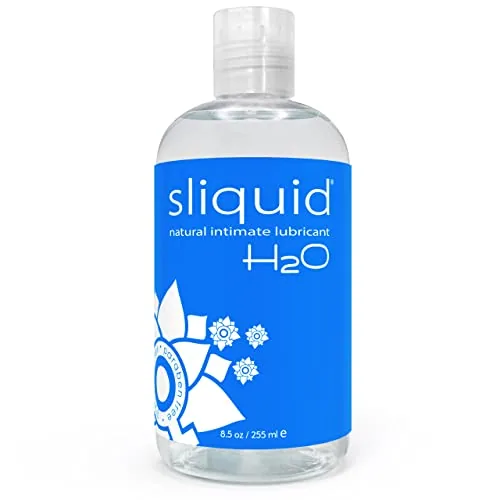
Sliquid H2O Water-Based Lube, 8.5 oz
- Glycerin & paraben free
- Fragrance free & vegan
- Toy & condom compatible
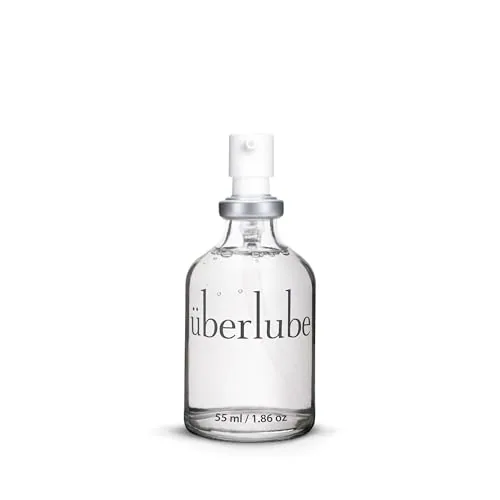
Uberlube Premium Silicone Lube, Unscented, 55 ml
- Unscented and flavorless
- Waterproof
- Latex condom safe
Massage and play
If you like a massage first, some products are marketed as 2-in-1. Durex Massage and Play is described as doubling as full-body massage, and LubeLife Aromaplay is a massage oil. Remember that oils can weaken latex. Our massage category has more, and our water-based collection has easy-clean options.
Questions
How much lube should I use?
Start with a small amount, about a coin-sized dollop, and add more as needed. Silicone usually needs less than water-based.
Does lube stain sheets?
Water-based lubes usually wash out in a normal cycle. Silicone and oil-based products may leave marks and benefit from dish soap pre-treatment.
Can I rinse lube off with water?
Water-based lube rinses off with water. Silicone is more slippery and needs a little mild soap.
Should I use lube if I am already wet?
Yes, if you like. Natural lubrication can change during sex, and a little extra can add comfort.
How do I clean toys after using lube?
Wash with warm water and mild soap or toy cleaner, rinse, and dry fully before storing.
How do you use lube?
Start with a small amount on the skin, toy or outside of the condom, then add more as you go. Reapply when it feels tacky or dry rather than waiting.