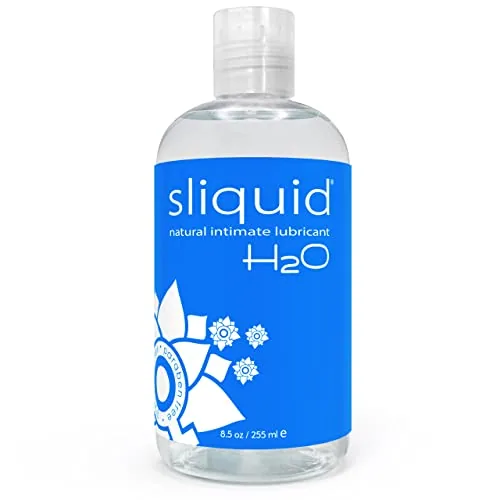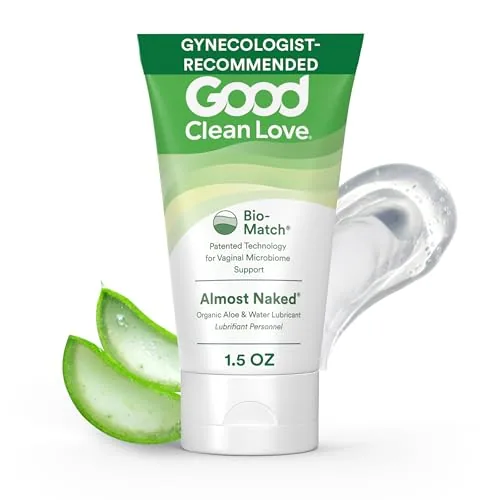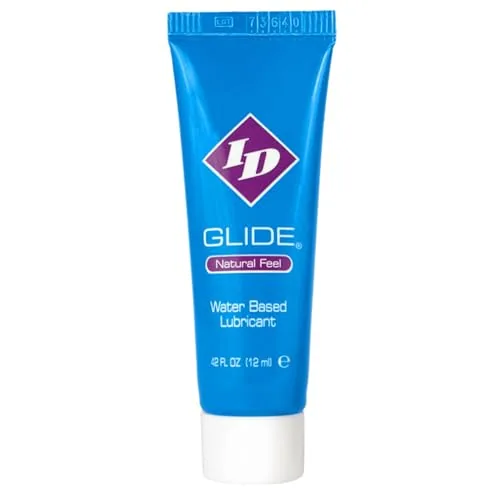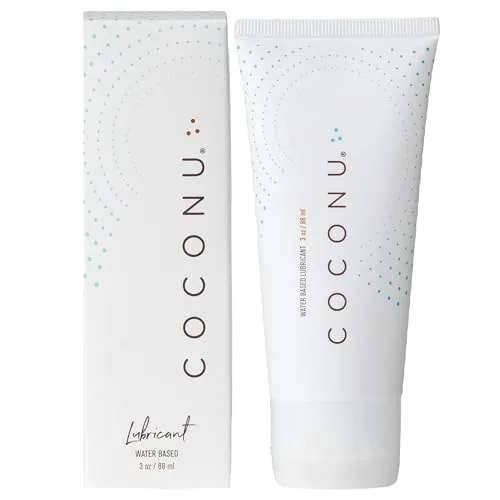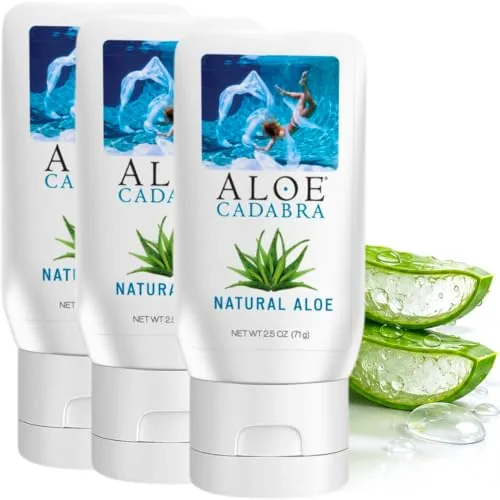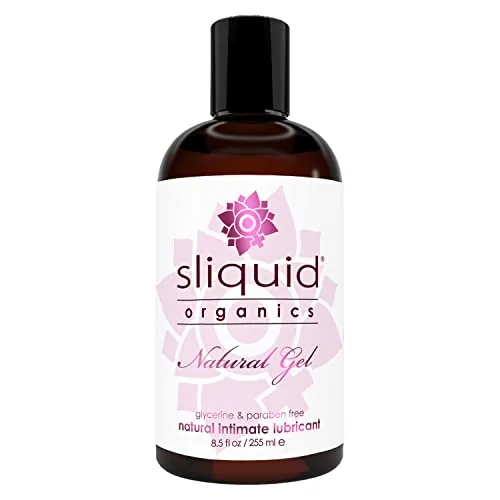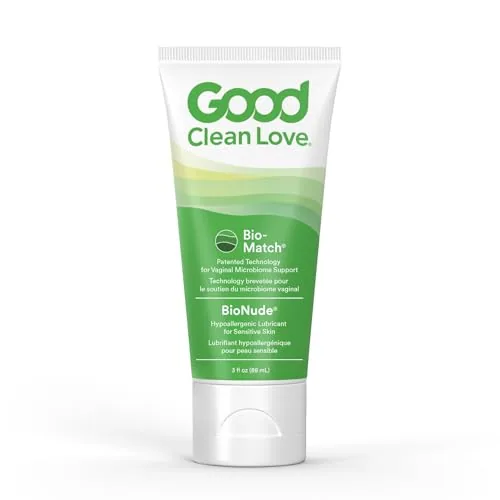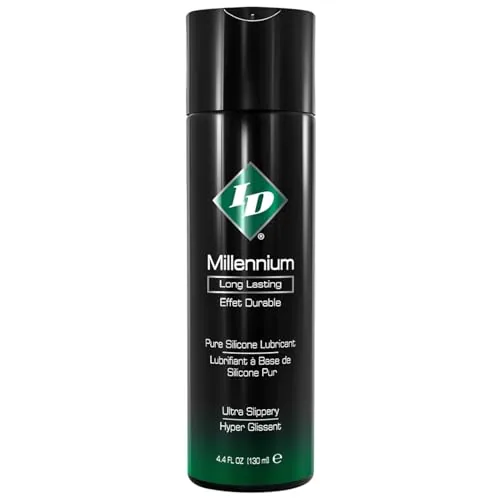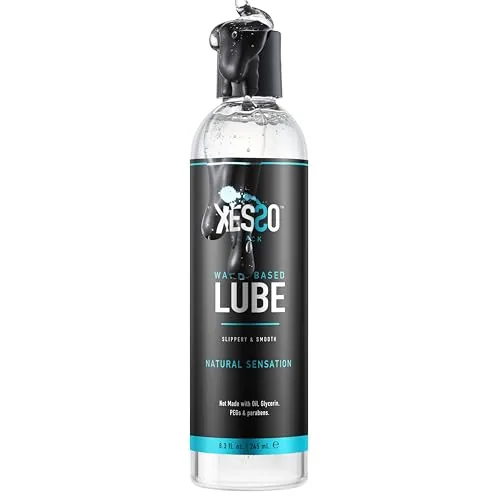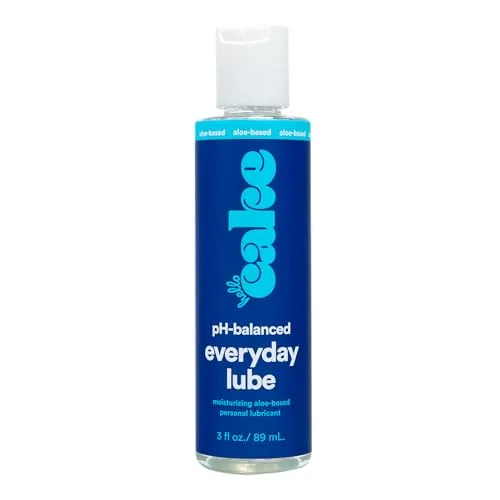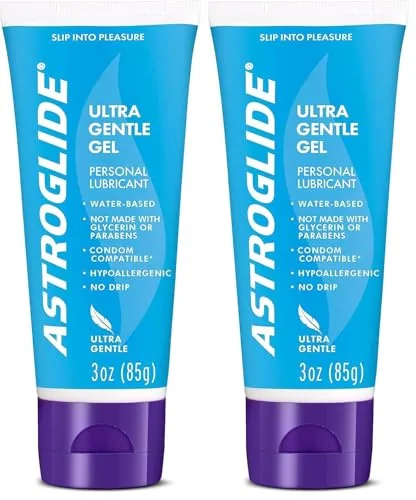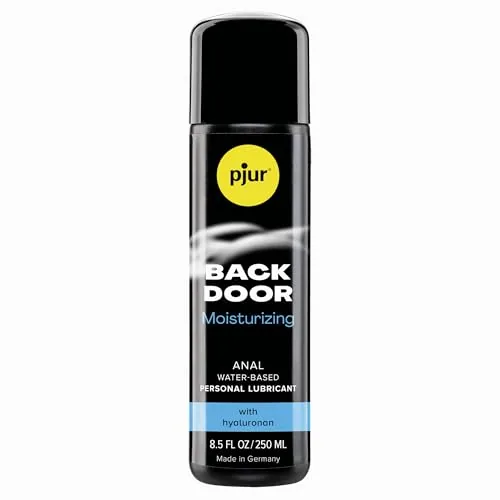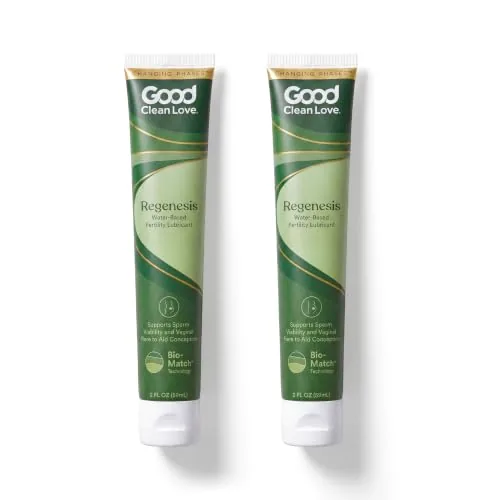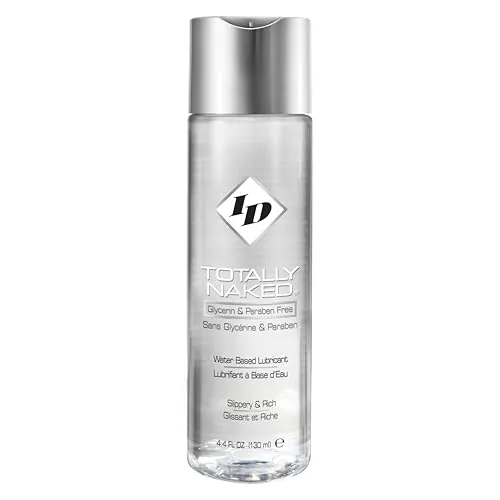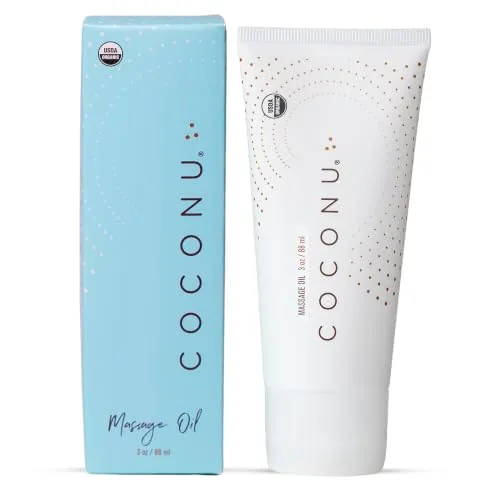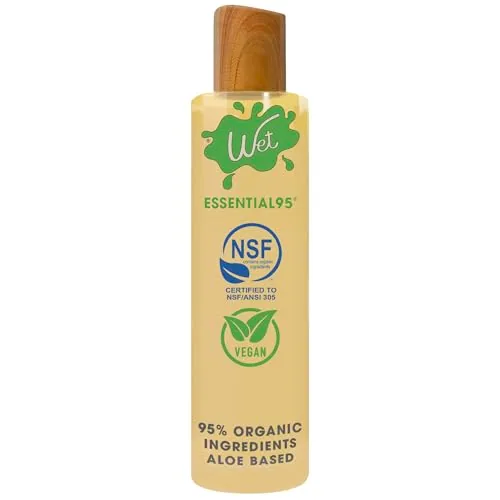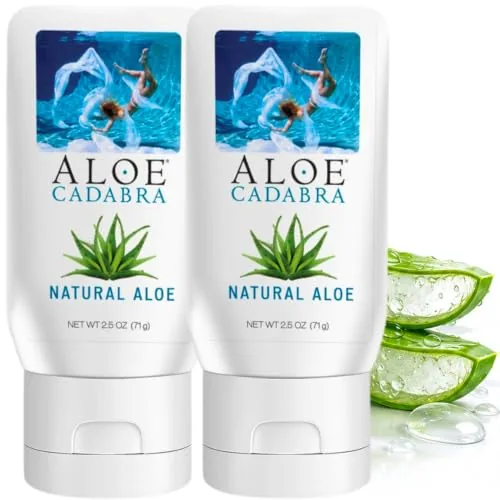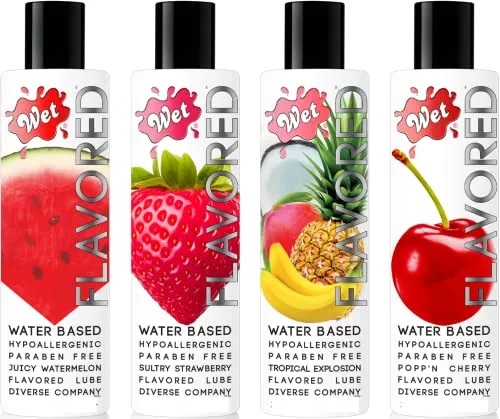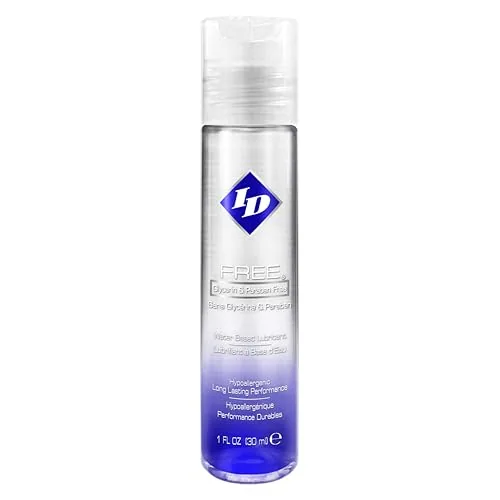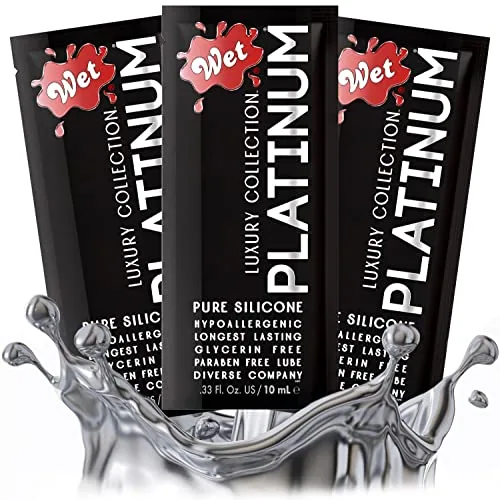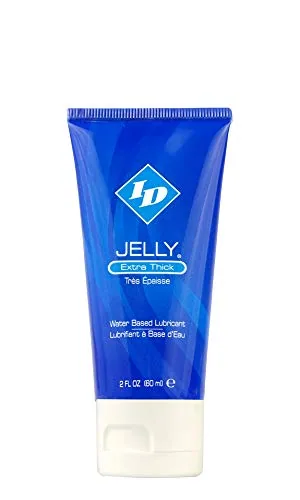
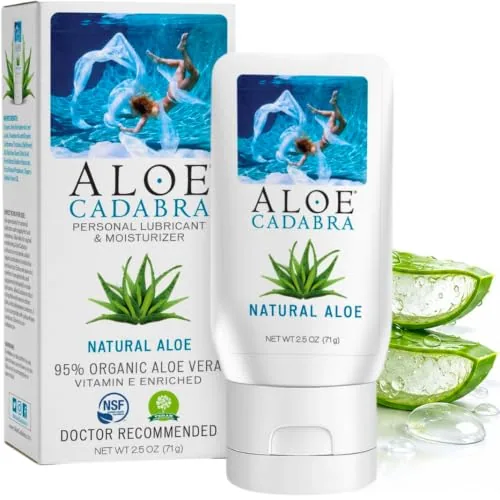
Aloe Cadabra
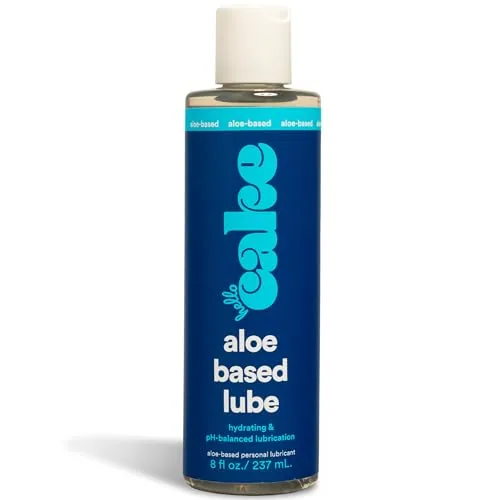
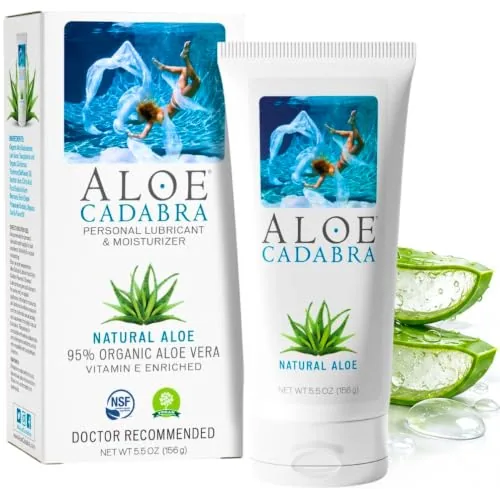
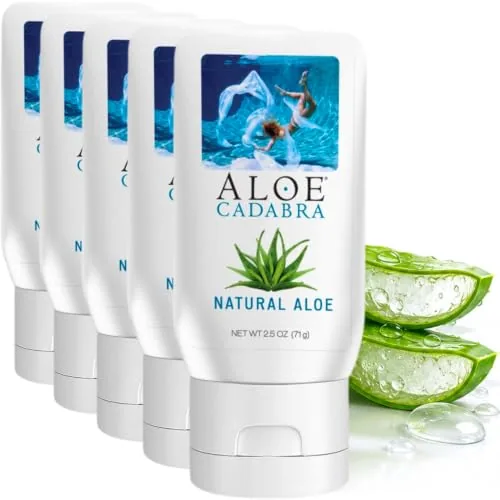
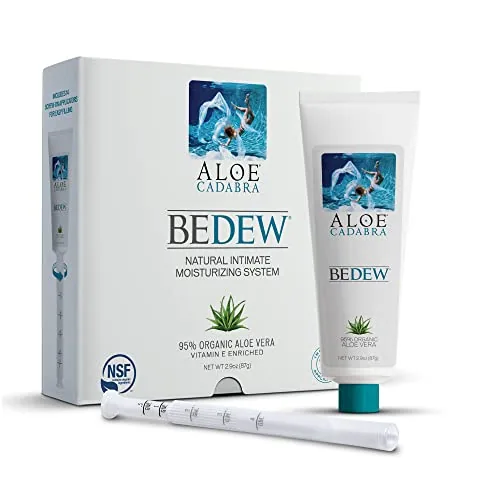
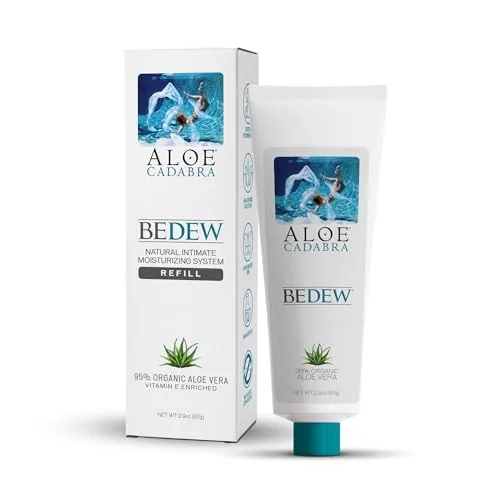
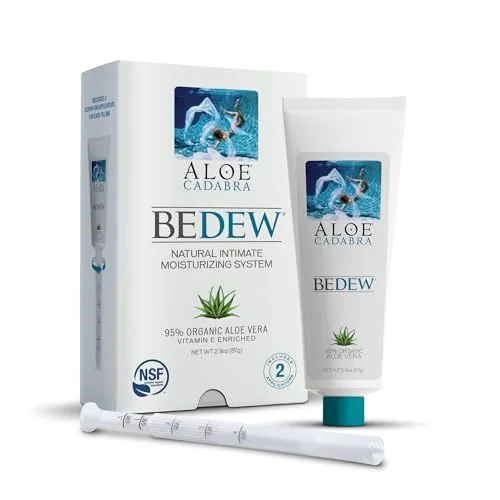
Aloe Cadabra Unscented Aloe Lube, 2.5 oz
- Unscented aloe base
- pH balanced & vegan
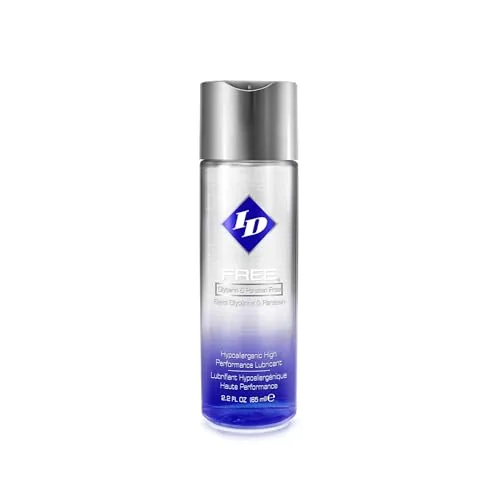
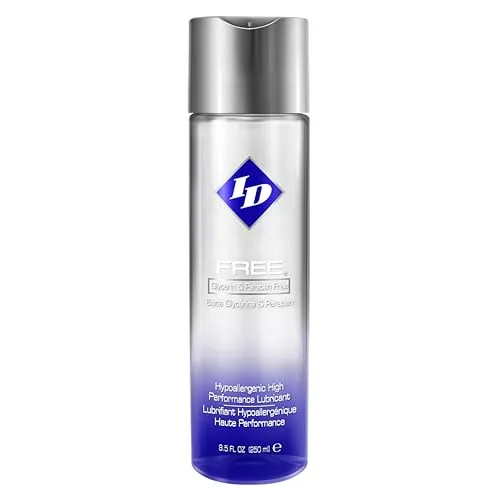
- Free of parabens & glycerin
Lube for sensitive skin means fragrance-free, glycerin-free and paraben-free picks with short ingredient lists for bodies that react easily.
No product matches every filter.
If you often get irritation, a lubricant with fewer ingredients is easier to troubleshoot. Start by avoiding what you already know bothers you, then look for fragrance-free and dye-free formulas that claim to be hypoallergenic. Many makers also highlight being free of parabens, propylene glycol or glycerin; those claims are worth checking on the specific product.
Parabens are the most common lubricant preservatives and can irritate or sensitise some people, according to the WHO. Nonoxynol-9 spermicide additives have significant irritant effects and the WHO does not recommend them. Glycerin can raise osmolality, though the link to yeast infections is theoretical and not proven in clinical studies.
Patch test on your inner forearm first, and stop using anything that stings, burns or itches. A pH balanced formula can also be gentler for some people. Our sensitive skin guide lists the ingredients to check, and the aloe and natural collection often has shorter lists.
| Ingredient or feature | Why it can matter | Evidence |
|---|---|---|
| Fragrance and flavor | Common irritant for some people | ~ Individual |
| Parabens | Can irritate or sensitise in some people | ~ WHO 2012 note |
| Nonoxynol-9 | Irritant; not recommended | ✗ WHO 2012 |
| Polyquaternium-15 | WHO advises avoiding | ✗ In-vitro data |
| Glycerin | Raises osmolality; infection link unproven | ~ Weak or theoretical |
| Osmolality above 1,200 | Linked to tissue irritation in lab tests | ✗ Above WHO limit |
Source: WHO/UNFPA/FHI360 Advisory Note, 2012
WHO ideal is 380 or lower; 1,200 is the interim upper limit
There is no single best formula, but a short, fragrance-free ingredient list without the things that bother you is the usual starting point. Patch test first and see a clinician if irritation keeps coming back.
It can be, since glycerin raises osmolality. Evidence linking glycerin to yeast infections is weak, so treat it as a precaution.
Apply a small amount to the inner forearm and wait a day. If you see redness or itching, avoid the product.
If it persists after switching products, or you notice pain, swelling or unusual discharge, see a clinician.
Start with fragrance, flavors, warming or cooling agents and anything you have reacted to before. Parabens and spermicide additives are also commonly avoided.