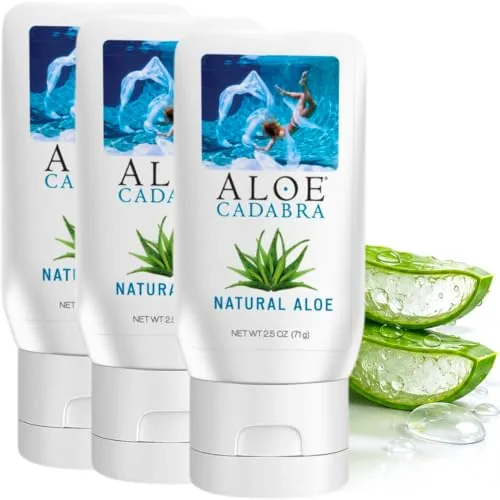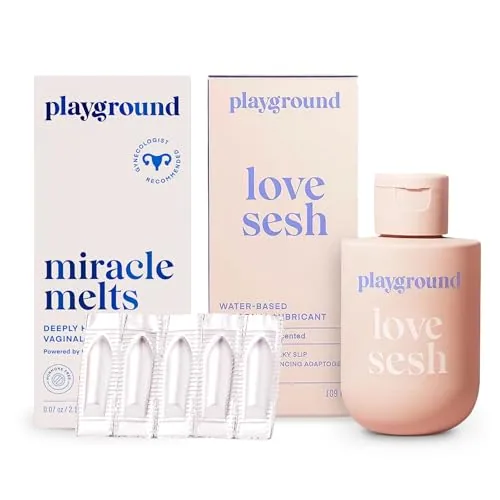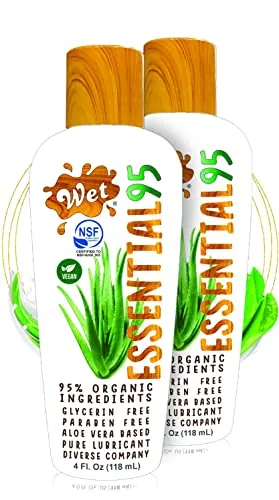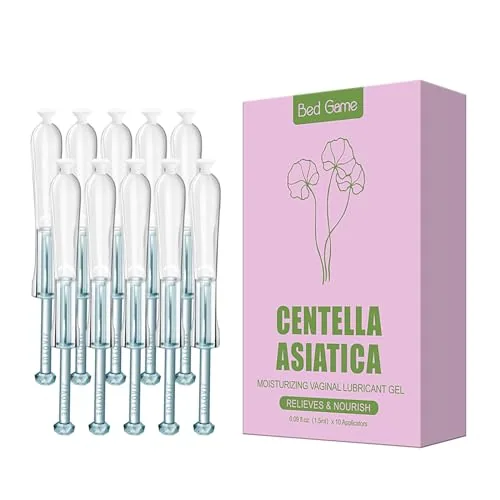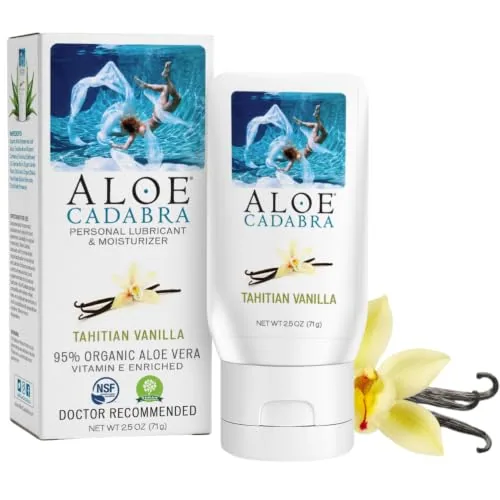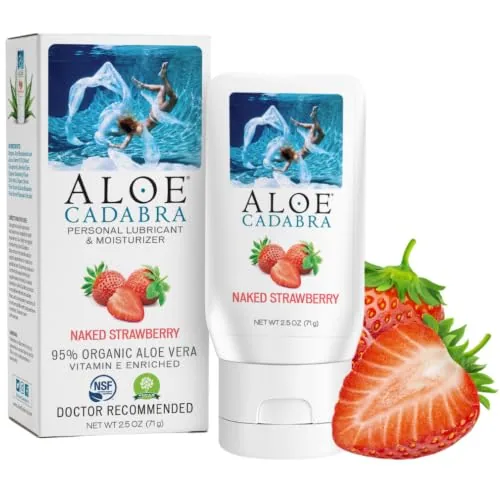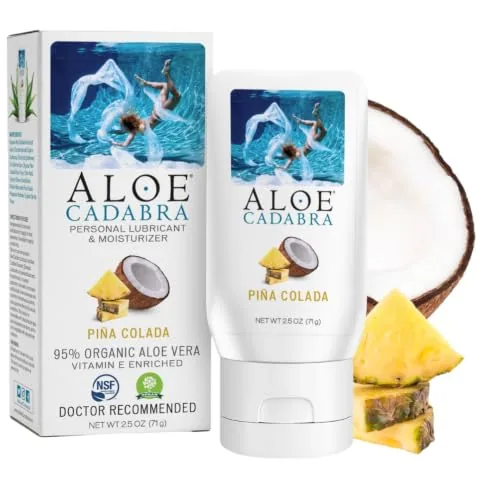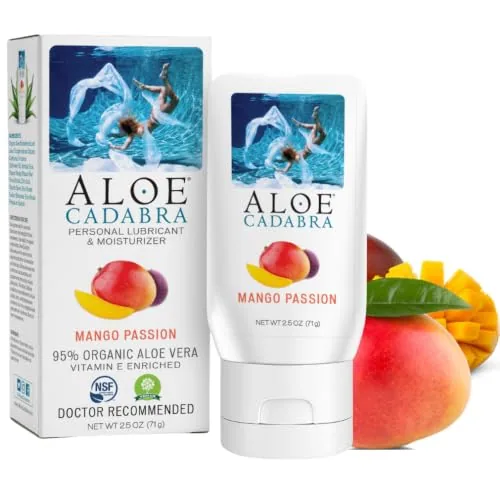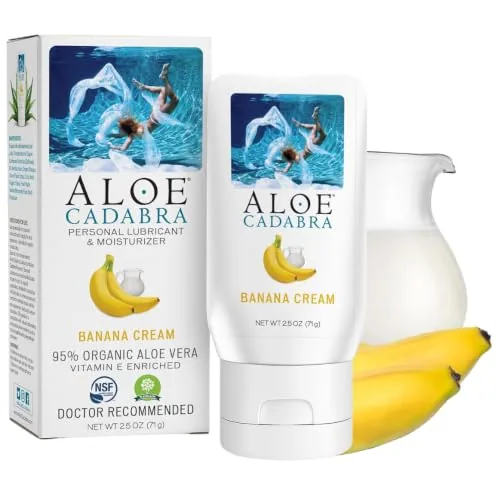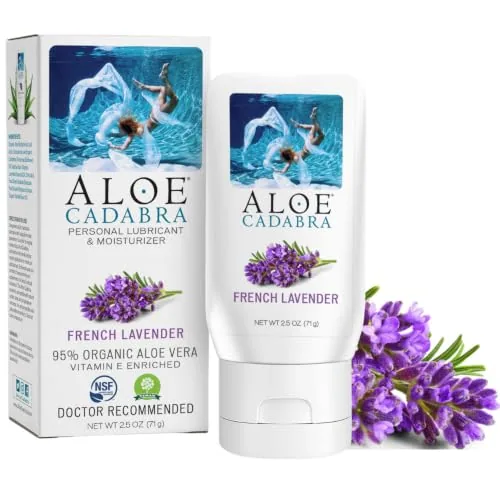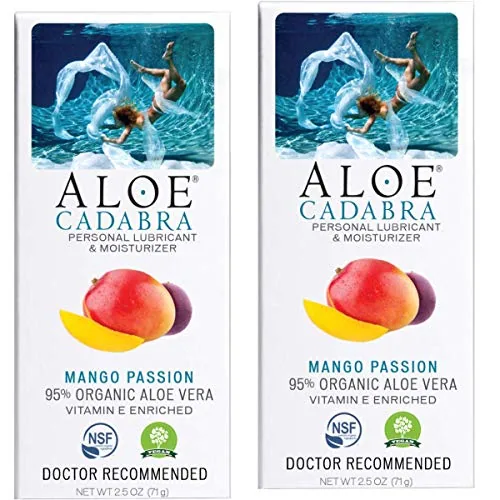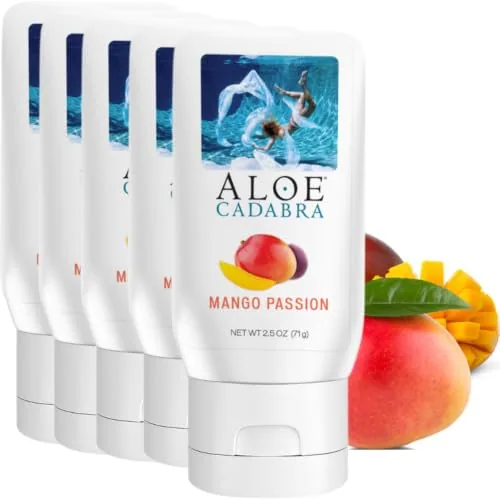
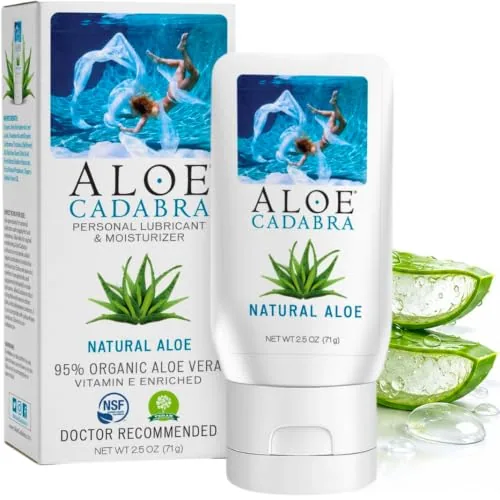
Aloe Cadabra
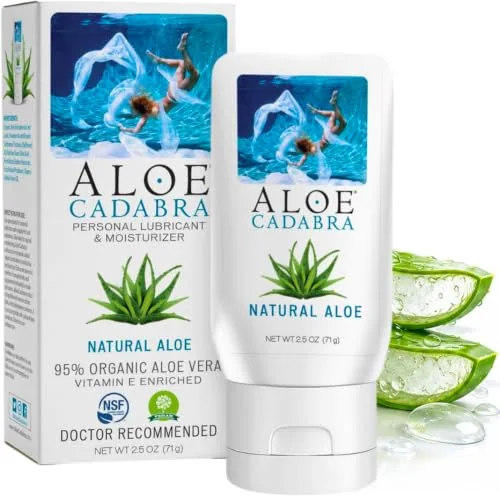
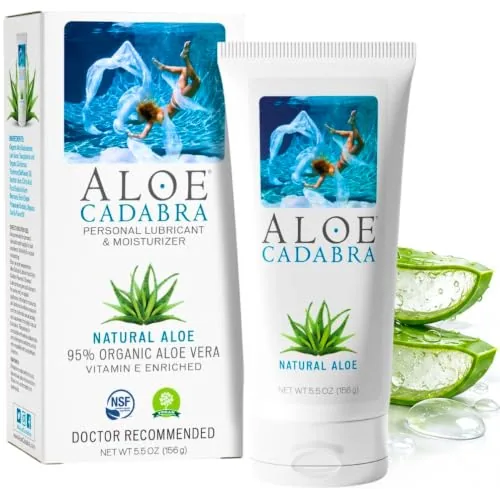
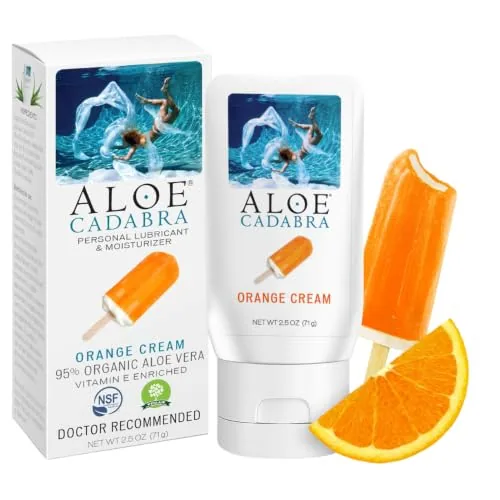
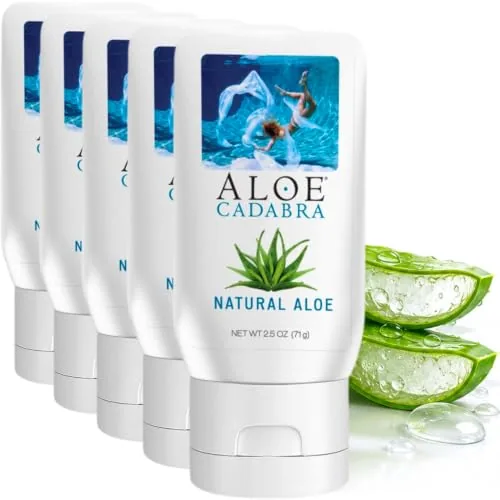
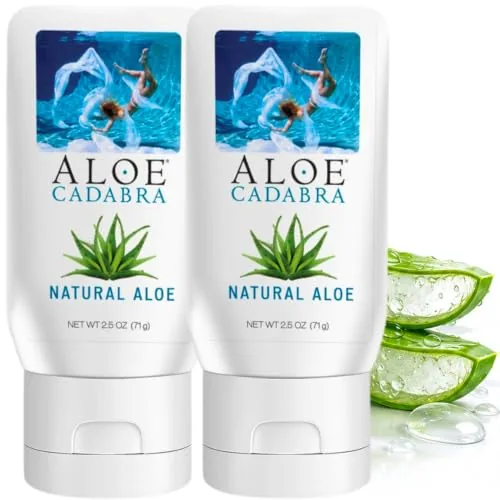
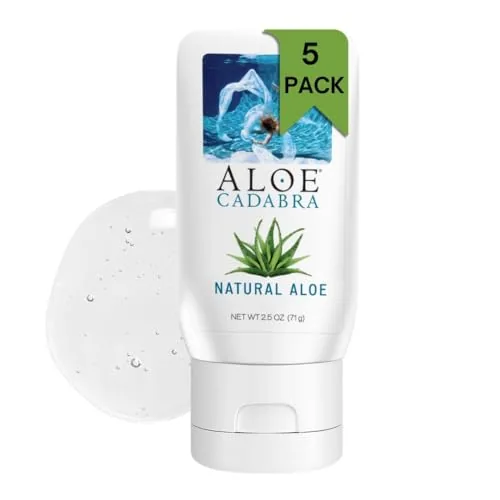
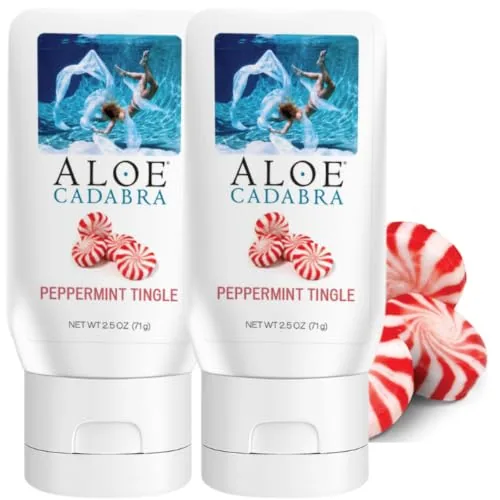
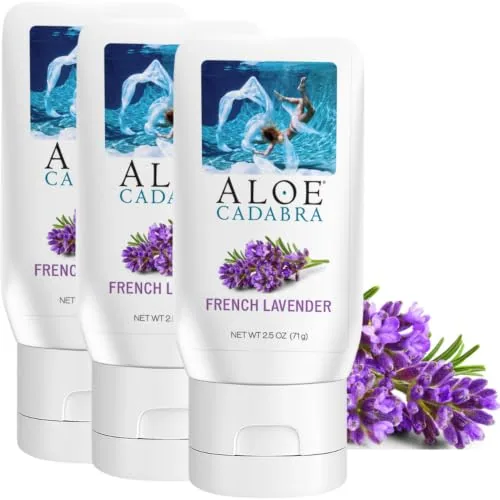
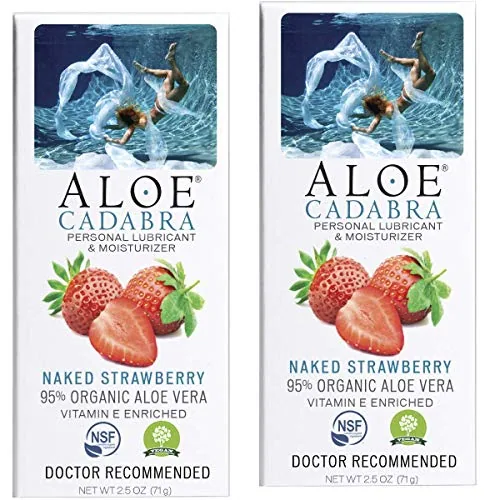
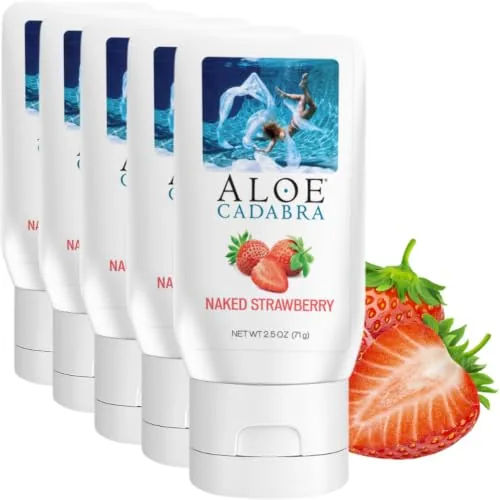
Aloe Cadabra Unscented Aloe Lube, 2.5 oz
- Unscented aloe base
- pH balanced & vegan
- Free of parabens & glycerin
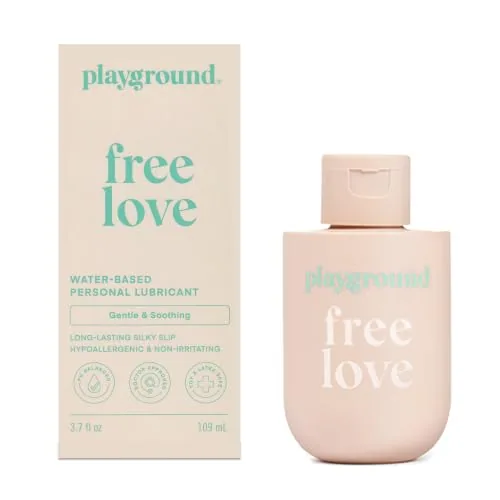
Lube for menopause is about comfort: vaginal dryness is common and very treatable. Pair a gentle lubricant for intimacy with a regular vaginal moisturizer for everyday comfort.
No product matches every filter.
Dryness has many causes: menopause, breastfeeding, some contraceptive pills and antidepressants, and hysterectomy all appear on the NHS list. The North American Menopause Society estimates that 27 to 84 percent of postmenopausal women have genitourinary symptoms of menopause, and says they are underdiagnosed and undertreated.
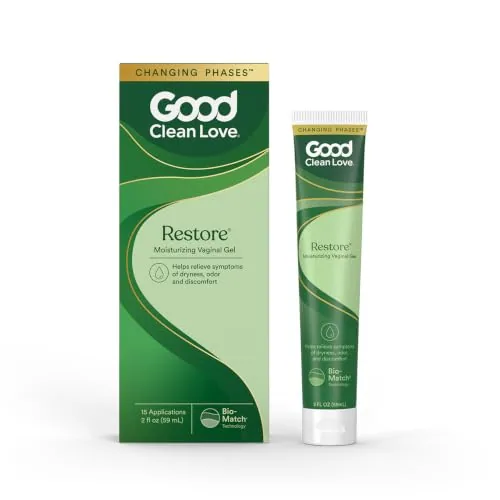
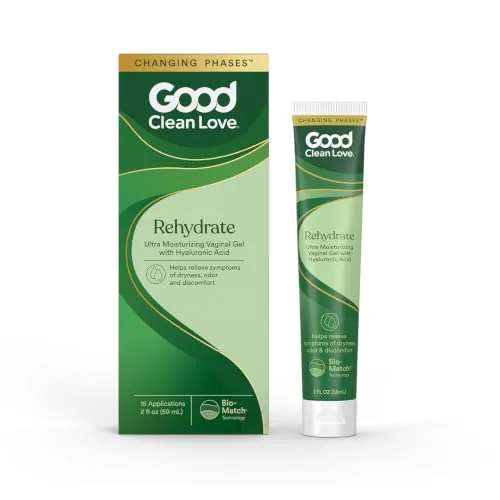
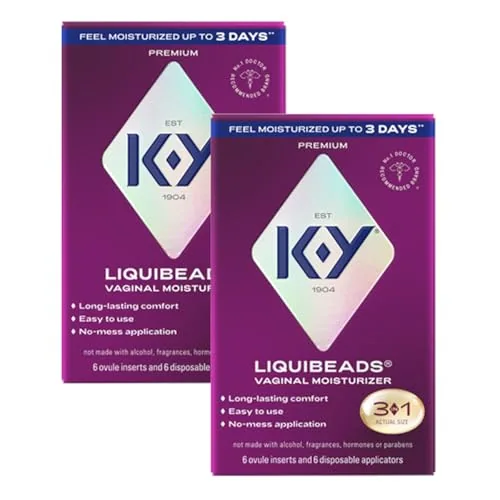
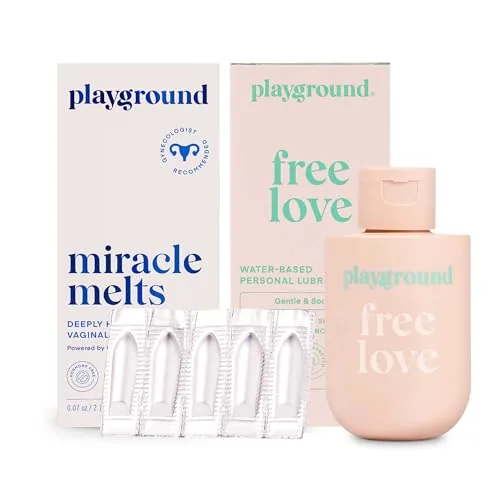
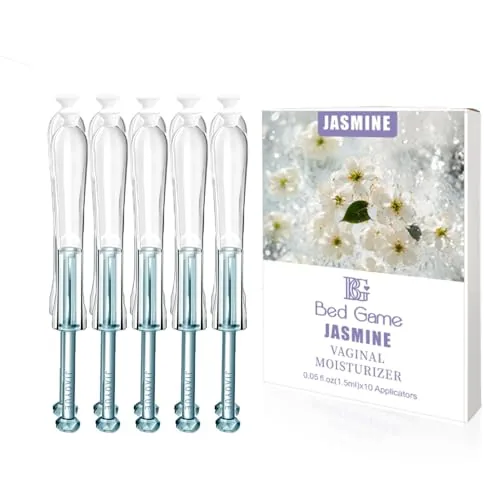
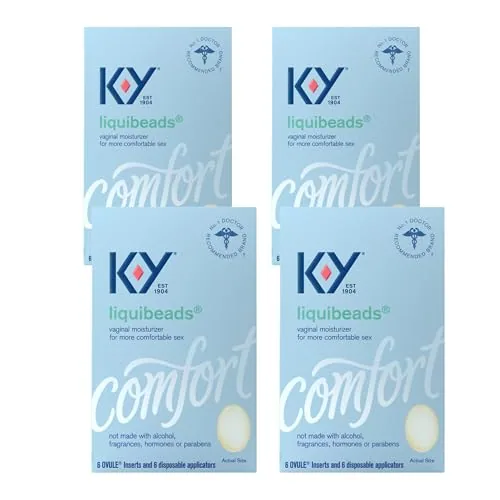
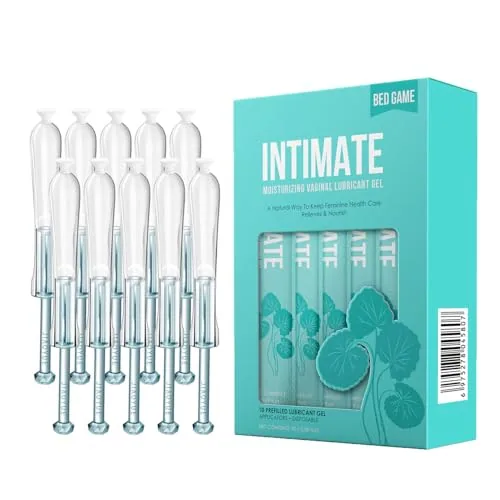
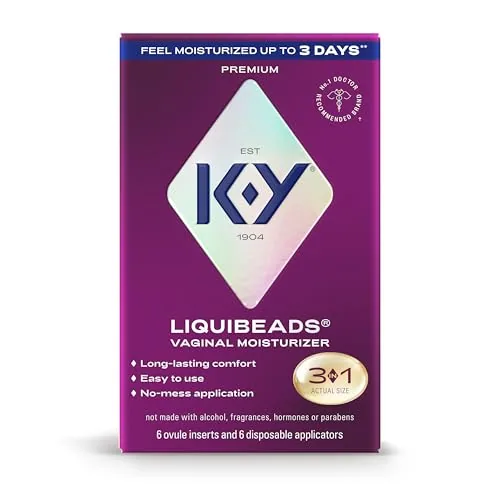
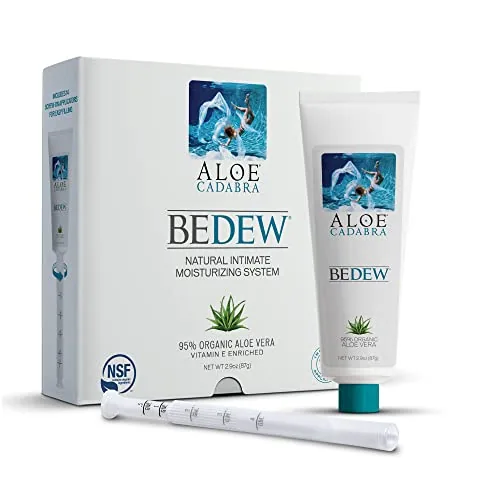
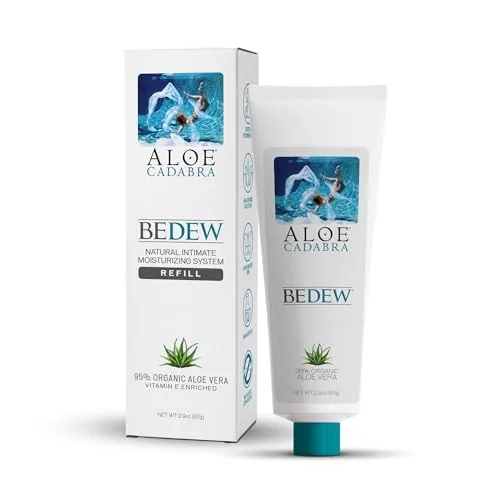
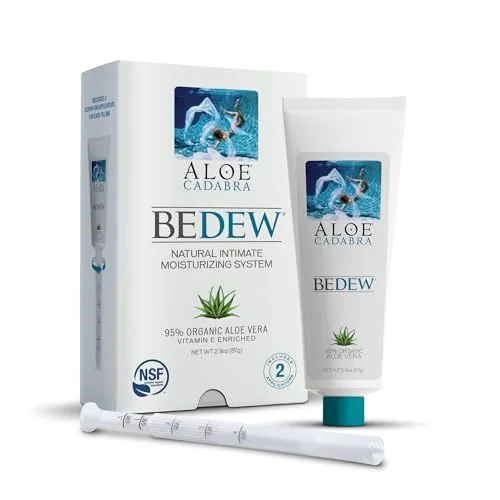
For milder symptoms, NAMS names non-hormonal lubricants used during sexual activity and long-acting vaginal moisturizers used regularly as first-line care. A lubricant works in the moment; a moisturizer is used a few times a week, outside of intimacy, to support comfort day to day. Browse our moisturizers alongside the lubricants here.
Look for gentle, fragrance-free, hormone-free formulas and, if you can find the information, lower osmolality. If pain, burning or dryness keeps returning, a clinician can offer options for painful sex beyond over-the-counter products. Our menopause and dryness guide goes deeper.
The REVIVE figures come from women who already reported symptoms, so they are not population prevalence.
| Lubricant | Moisturizer | |
|---|---|---|
| When | Just before or during intimacy | Regularly, e.g. a few times a week |
| Goal | Reduce friction now | Support comfort over time |
| Typical form | Gel or liquid | Gel, insert or cream |
| Condom-safe | ✓ If the label says so | ~ Check; not made for intimacy |
A 2026 meta-analysis of 11 randomized trials found that hyaluronic acid improved vaginal-dryness quality of life compared with placebo, and a small 2024 pilot found no difference from vaginal estrogen over 12 weeks.
A gentle water-based or silicone lubricant that suits your skin, ideally fragrance-free. Some women use both a lubricant and a regular moisturizer.
Yes. Moisturizers are used regularly for ongoing comfort, while lubricants are applied for intimacy.
No. Cleveland Clinic reports more than 15 percent of women experience it before menopause, and breastfeeding or certain medications can contribute.
If dryness or pain persists, interferes with life, or comes with bleeding or unusual discharge. Treatments beyond over-the-counter products exist.
Look for a gentle, fragrance-free formula and, if the maker shares it, a lower osmolality. A lubricant is for use during intimacy, while a regular vaginal moisturizer supports everyday comfort.